Benefits of Online Bookkeeping: Boost Your Business with Full-Service Online Bookkeeping
Managing your business finances can feel overwhelming. Keeping track of expenses, invoices, payroll, and taxes takes time and precision. That’s why many small business owners are turning to online bookkeeping services. These services offer a modern, efficient way to handle your accounting needs without the hassle of traditional methods.
In this post, I’ll walk you through the benefits of online bookkeeping, explain how it works, and share practical tips to help you decide if it’s right for your business. By the end, you’ll see how partnering with a reliable bookkeeping service can give you more time to focus on growing your business.
Why Choose Online Bookkeeping? The Benefits of Online Bookkeeping
Online bookkeeping offers several advantages over manual or in-house bookkeeping. Here are some key benefits that make it a smart choice for small businesses:
Accessibility Anytime, Anywhere
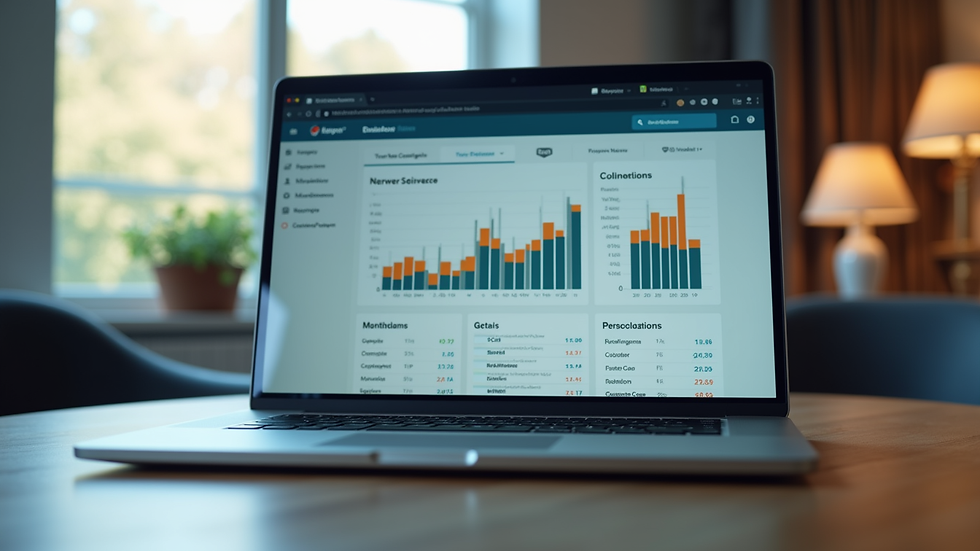
With online bookkeeping, your financial data is stored securely in the cloud. This means you can access your books from any device with an internet connection. Whether you’re at home, in the office, or on the go, your financial information is always at your fingertips.
Real-Time Financial Updates
Online bookkeeping software updates your records automatically as transactions occur. This real-time tracking helps you stay on top of your cash flow, spot trends, and make informed decisions quickly.
Cost-Effective Solution
Hiring a full-time bookkeeper can be expensive. Online bookkeeping services often cost less because they eliminate the need for office space, equipment, and employee benefits. You pay for the services you need, which can save you money in the long run.
Improved Accuracy and Reduced Errors
Automation reduces the risk of human error. Online bookkeeping tools can categorize expenses, reconcile accounts, and generate reports with minimal manual input. This accuracy is crucial when preparing for tax season or applying for loans.
Secure Data Storage
Reputable online bookkeeping providers use encryption and secure servers to protect your financial data. This security is often better than what small businesses can provide on their own.
Easy Collaboration with Your Accountant
Sharing your financial data with your accountant or tax professional is seamless. They can access your records directly, which speeds up tax preparation and financial planning.

How Online Bookkeeping Works: Step by Step
Understanding how online bookkeeping works can help you feel more confident about making the switch. Here’s a simple breakdown of the process:
Choose a Service Provider
Start by selecting a reputable online bookkeeping service. Look for providers with good reviews, transparent pricing, and experience working with small businesses.
Connect Your Financial Accounts
You’ll link your bank accounts, credit cards, and payment platforms to the bookkeeping software. This connection allows transactions to be imported automatically.
Categorize Transactions
The software will attempt to categorize your expenses and income based on rules you set or previous behavior. You can review and adjust these categories to ensure accuracy.
Reconcile Accounts Regularly
Reconciling means matching your bank statements with your bookkeeping records. This step ensures that all transactions are accounted for and correct.
Generate Reports
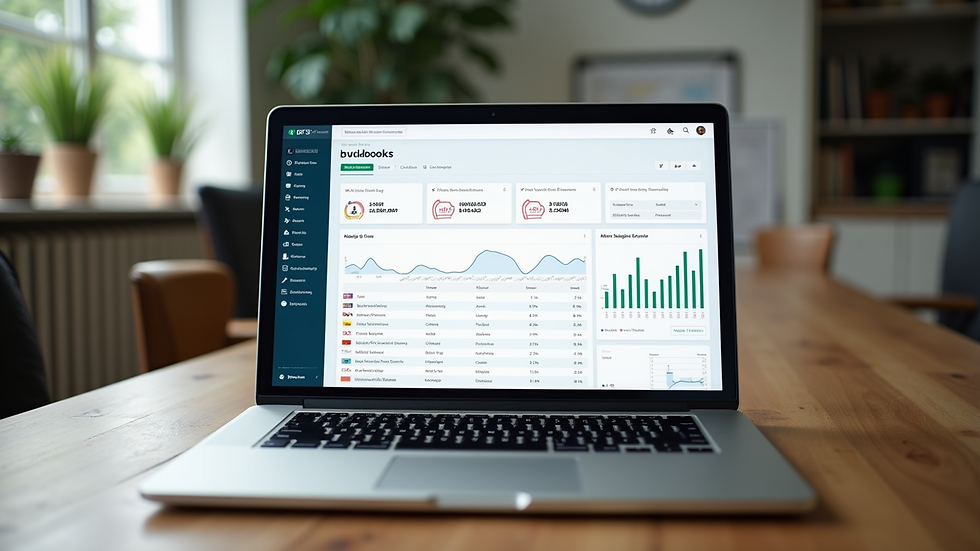
Use the software to create financial reports like profit and loss statements, balance sheets, and cash flow summaries. These reports give you a clear picture of your business’s financial health.
Work with Your Bookkeeper or Accountant
If you use a full-service online bookkeeping provider, a professional bookkeeper will review your records, handle payroll, and prepare your books for tax filing.
By following these steps, you can maintain accurate and up-to-date financial records without the stress of manual bookkeeping.
How much does an online bookkeeper cost?
One of the most common questions I hear is about the cost of online bookkeeping. The answer depends on several factors, including the size of your business, the volume of transactions, and the level of service you need.
Here’s a general idea of pricing models:
Monthly Subscription
Many online bookkeeping services charge a flat monthly fee. This fee can range from $100 to $500 or more, depending on the complexity of your bookkeeping needs.
Pay-As-You-Go
Some providers offer pay-as-you-go plans where you pay based on the number of transactions or hours worked. This option can be cost-effective for businesses with low transaction volumes.
Full-Service Packages
If you want a hands-off approach, full-service online bookkeeping packages include everything from data entry to payroll and tax preparation. These packages typically cost more but save you time and reduce stress.
Additional Fees
Be aware of potential extra charges for services like tax filing, payroll processing, or financial consulting.
To get the best value, compare providers carefully. Look for transparent pricing and ask about what’s included in each plan. Remember, investing in quality bookkeeping can save you money by preventing costly mistakes and improving your financial decisions.

Practical Tips for Getting Started with Online Bookkeeping
If you’re ready to try online bookkeeping, here are some tips to make the transition smooth and successful:
Start Small
Begin by using online bookkeeping for a few months alongside your current system. This approach helps you get comfortable without risking your financial records.
Keep Your Receipts Organized
Even with automation, you’ll need to keep digital or physical copies of receipts and invoices. Use apps or folders to stay organized.
Set a Regular Schedule
Dedicate time weekly or monthly to review your books. Regular check-ins prevent errors from piling up and keep your finances current.
Communicate with Your Bookkeeper
If you use a service with a dedicated bookkeeper, maintain open communication. Ask questions and provide any necessary documents promptly.
Use the Reports to Make Decisions
Don’t just file reports away. Use them to analyze your business performance, plan budgets, and identify areas for growth.
Secure Your Data
Use strong passwords and two-factor authentication for your bookkeeping accounts. Protect your financial information as you would any sensitive data.
By following these steps, you’ll build confidence in managing your business finances and enjoy the benefits of accurate, up-to-date bookkeeping.
Why Partnering with a Remote Bookkeeping Service Makes Sense
Outsourcing your bookkeeping to a remote service can be a game-changer. Here’s why I recommend considering this option:
Focus on What You Do Best
Running a business requires your full attention. By letting experts handle your bookkeeping, you free up time to focus on sales, marketing, and customer service.
Access to Expertise
Remote bookkeeping services employ professionals who understand accounting rules and tax laws. Their expertise helps you avoid costly mistakes.
Scalability
As your business grows, your bookkeeping needs will change. Remote services can scale with you, offering more support when needed without the hassle of hiring new staff.
Cost Savings
You save on salaries, benefits, office space, and training costs. Plus, you only pay for the services you use.
Reliable Support
Many remote bookkeeping providers offer ongoing support and advice. This partnership can help you navigate financial challenges and plan for the future.
If you want a trustworthy partner to handle your books, consider a full service online bookkeeping provider. They combine technology and human expertise to deliver accurate, timely financial management tailored to your business.
Taking Control of Your Business Finances Today
Managing your business finances doesn’t have to be stressful or time-consuming. With the right online bookkeeping service, you gain clarity, accuracy, and peace of mind. You’ll have the financial insights you need to make smart decisions and grow your business confidently.
Remember, the key is to choose a service that fits your needs, stay organized, and review your financial data regularly. By doing so, you’ll build a strong foundation for your business’s financial health.
Start exploring online bookkeeping options today and see how this modern approach can boost your business success.


Comments